Water Pollution and Wetland Destruction in Ghana
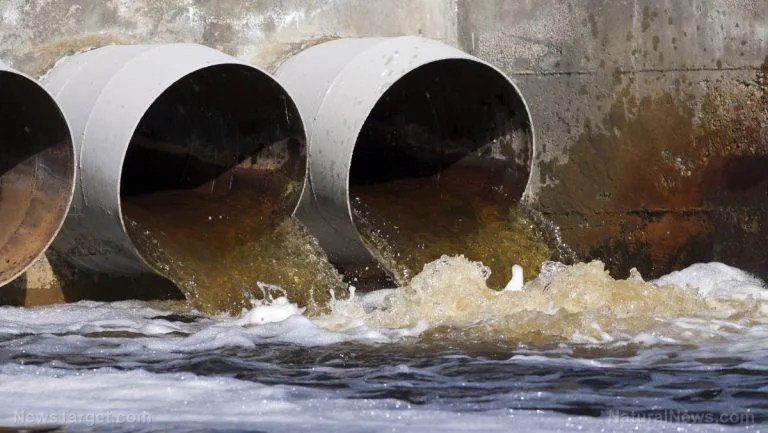
Water pollution in Ghana has reached crisis levels, with the nation facing one of Africa’s most severe water contamination challenges. The situation has deteriorated significantly due to widespread illegal mining activities, inadequate sanitation infrastructure, and systematic destruction of critical wetland ecosystems.
The Mining Crisis: “Galamsey” and Environmental Destruction
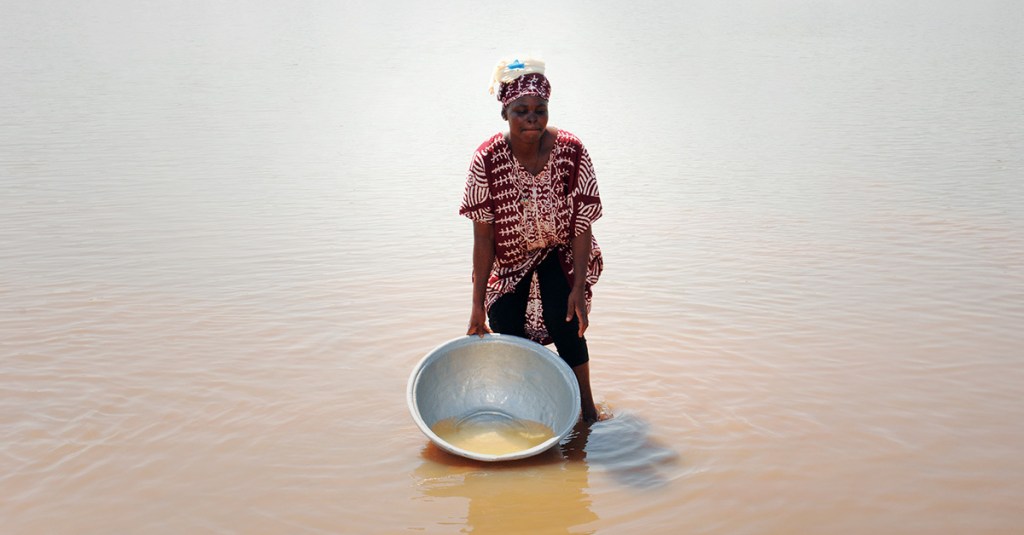
The country’s gold mining industry has polluted 60% of Ghana’s waters, primarily through illegal small-scale mining operations known locally as “galamsey” (gather and sell). These unregulated mining activities have caused devastating environmental damage across the country. Water supply drops 75% due to pollution from these operations, according to recent WaterAid reports from September 2024.
The impact extends beyond just water quantity. Heavy metals and toxic chemicals from mining operations contaminate rivers and groundwater sources that communities depend on for drinking water, agriculture, and fishing. The Pra River Basin and other major water systems have been particularly affected.
Wetland Ecosystem Collapse
Ghana’s wetland destruction represents another critical dimension of the water crisis. Ghana has lost about 30-40 percent of its natural wetland ecosystem since the 1970s, according to the Wildlife Division of the Forestry Commission. This massive loss has cascading effects on water quality, flood control, and biodiversity conservation.
Urban Wetland Conversion
Recent research shows a significant conversion of wetlands into residential and agricultural land uses, with built-up areas increasing by 25.89% and wetland vegetation declining by 12.31% over recent study periods. These changes have notably disrupted the hydrological functions of wetland systems, reducing their natural capacity to filter pollutants and regulate water flow.
Mining’s Impact on Wetlands
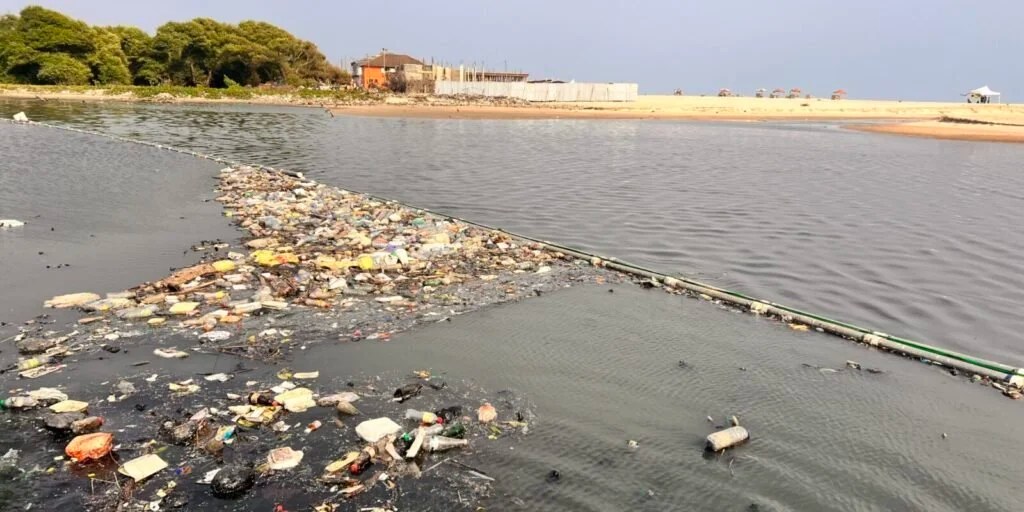
Wetlands suffer from destruction, draining and conversion for agricultural, mining and infrastructural purposes. The illegal mining operations that drive water pollution also directly destroy wetland habitats through excavation, sediment loading, and chemical contamination. This creates a double impact where wetlands lose both their physical structure and their water purification capabilities.
Flooding and Water Management
The loss of wetlands has reduced Accra’s ability to retain water during heavy rainfall events, contributing significantly to urban flooding problems. Wetlands naturally serve as water retention systems and flood buffers, making their destruction particularly problematic for climate resilience.
Public Health Consequences
The health implications are severe and measurable. Ghana has 1,000 children under five years old dying each year from diarrhea, caused by polluted water. This represents a significant public health crisis that disproportionately affects the most vulnerable populations.
Seventy-six percent of households in Ghana are at risk of drinking water contaminated with fecal matter, highlighting the dual crisis of both industrial pollution and inadequate sanitation infrastructure. Compounding this problem, only four percent of households treat water suitably before drinking and 93 percent of households do not treat water at all.
Broader Environmental Impact
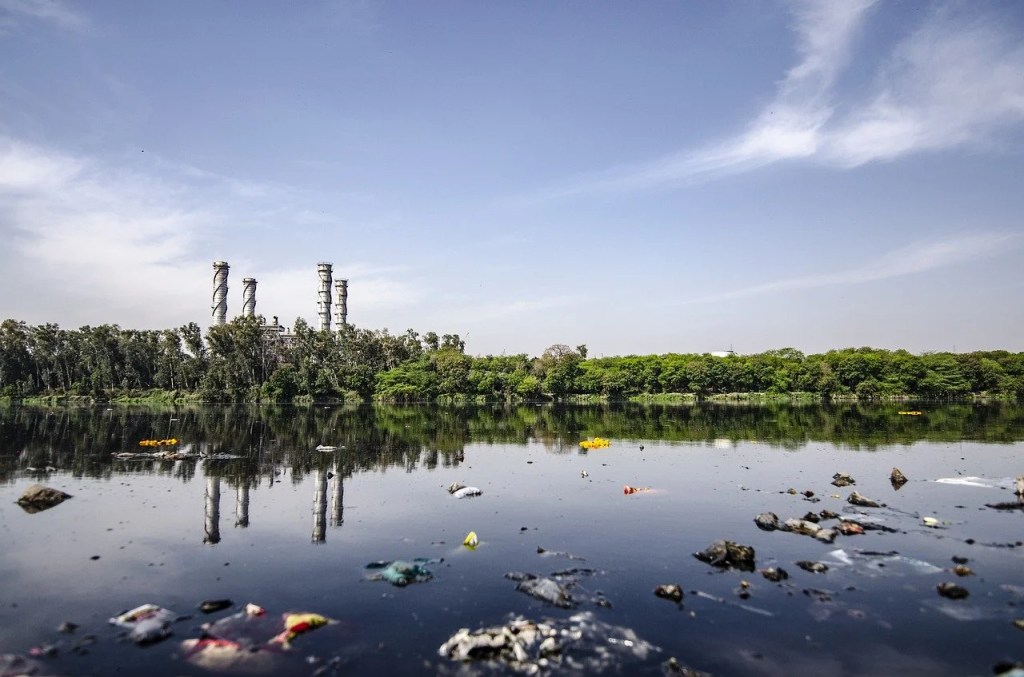
The pollution crisis extends beyond drinking water. Marine environments face mounting pressure, with marine debris inputs expected to soar in excess of 350,000 metric tons per year by 2025. This creates cascading effects on wildlife, habitats, and ecosystem services that coastal communities rely upon.
Biodiversity Loss
Protected wetlands — home to endangered species like leatherback turtles and migratory birds — are turning into dumps from various pollution sources including textile waste. The destruction of wetland habitats eliminates critical breeding, feeding, and migration stopover sites for numerous species.
Agricultural and Fisheries Impact
Agricultural systems suffer as contaminated water sources affect crop production and food security. The interconnected nature of water systems means that pollution in one area often spreads to affect entire watersheds and downstream communities. Fishing communities face contaminated water, clogged fishing areas, and disrupted food and income sources.
Economic and Social Dimensions
Water pollution in Ghana intersects with poverty and inequality. Rural and urban poor communities often have the least access to clean water alternatives and bear the greatest burden of pollution-related health impacts. The economic costs include healthcare expenses, lost productivity, and damage to tourism and fishing industries.
The illegal mining that drives much of the pollution operates in a complex socioeconomic context where limited economic opportunities push people toward environmentally destructive but economically attractive activities. This creates a challenging dynamic where immediate economic needs conflict with long-term environmental sustainability.
Governance and Management Challenges
Rising land values and weak land administration in urban areas aggravate wetland destruction problems. Urban wetlands are largely seen as urban commons that need proper management, but governance systems often fail to protect these critical ecosystems from conversion and degradation.
The complexity of wetland management involves multiple stakeholders including traditional authorities, government agencies, developers, and local communities, making coordinated protection efforts challenging to implement and enforce.
Current Response and Future Outlook
Addressing Ghana’s water pollution and wetland destruction crisis requires coordinated action across multiple sectors.
However, the scale of contamination and ecosystem destruction means that even if new pollution stopped immediately, restoration of affected water systems and wetlands would take years or decades. Experts warn that the country could be importing water by 2030 if current trends continue.
The challenge involves not just stopping current pollution sources but also treating existing contamination, restoring degraded wetlands, and building resilient water infrastructure for the future. This represents a critical test of Ghana’s ability to balance economic development with environmental protection,
 GYG PROJECT FOUNDATION