
Caring for companion animals and equines requires dedication, knowledge, and a deep understanding of each species’ unique needs. These relationships represent some of humanity’s most enduring partnerships, built on mutual trust and responsibility.
Companion Animals: Beyond Basic Needs
Dogs, cats, and other companion animals thrive when their physical, mental, and emotional needs are met. Proper nutrition forms the foundation of health, but requirements vary significantly by species, age, and activity level. Regular veterinary care, including preventive treatments for parasites and routine vaccinations, helps ensure long, healthy lives.
Mental stimulation proves equally crucial. Dogs benefit from consistent training, socialization, and varied activities that engage their natural instincts. Cats require environmental enrichment through climbing structures, interactive toys, and opportunities for hunting behaviors. Both species need predictable routines and safe spaces where they can retreat when stressed.
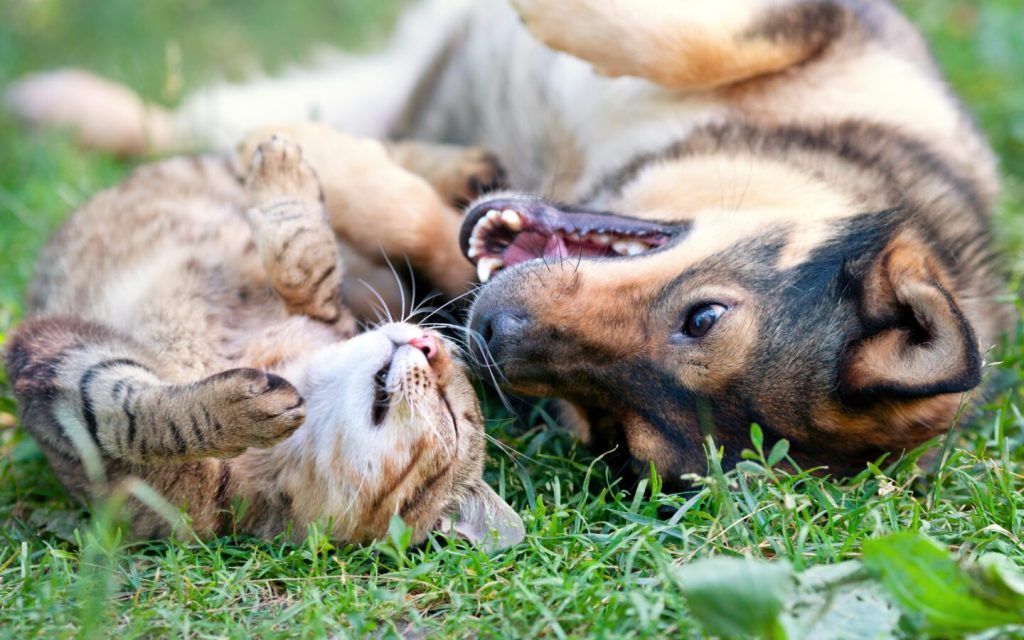
The emotional bond between humans and companion animals runs deeper than simple care provision. These animals often serve as emotional support systems, offering comfort during difficult times and celebrating joyful moments. Recognizing their individual personalities and communication styles strengthens these relationships immeasurably.
Equine Care: Horses and Donkeys
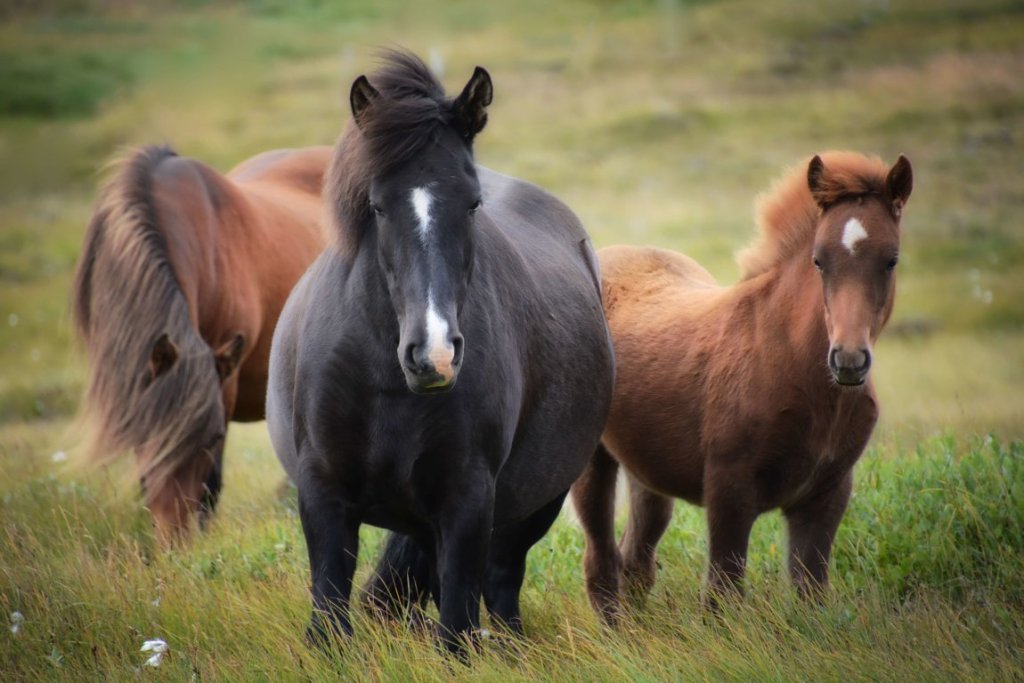
Horses and donkeys share many care requirements but possess distinct characteristics that influence their management. Both species evolved as prey animals and herd creatures, requiring constant access to forage and careful dietary management. Their inability to vomit makes preventing colic and other digestive issues particularly critical.
Donkeys, however, present unique considerations often misunderstood by those familiar only with horses. Originally desert animals, donkeys are remarkably efficient at extracting nutrition from poor-quality forage and can easily become overweight on rich pastures. Their smaller size and lower metabolic rate mean they require less food than horses of comparable weight, and they’re more prone to developing dangerous fat deposits that can lead to laminitis.
Proper hoof care remains fundamental for both species. Regular farrier visits, daily hoof cleaning, and monitoring for problems prevent many costly and painful conditions. Donkeys’ hooves tend to be more upright and harder than horses’, adapted for rocky terrain, but still require consistent attention.
Social Dynamics and Behavior
While horses and donkeys are both social animals, their herd behaviors differ significantly. Donkeys form smaller, tighter family groups and can be more selective about their companions. They’re often more cautious and thoughtful in their responses compared to horses, leading to the unfair stereotype of stubbornness. In reality, donkeys are simply more careful decision-makers, an evolutionary adaptation that served them well in harsh environments.
Both species benefit from companionship, but donkeys can suffer severely from isolation. A lone donkey may become depressed, vocal, and destructive. When keeping a single donkey, providing companionship through other species like goats, sheep, or even horses becomes essential.
Donkeys communicate differently than horses, using a wider range of vocalizations and body language. Their famous braying serves multiple purposes, from greeting friends to expressing distress or calling for attention. Understanding these communication patterns helps caregivers respond appropriately to their needs.
Special Considerations for Donkeys
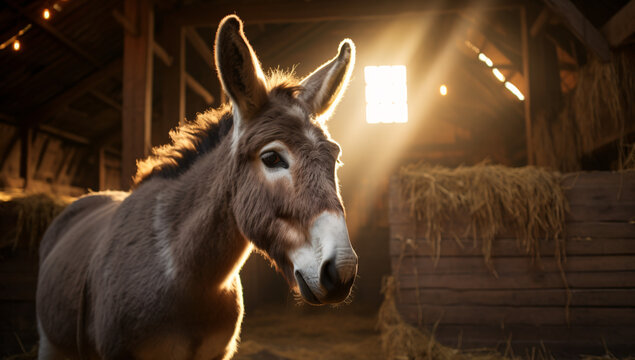
Donkeys live considerably longer than horses, often reaching 25-30 years or more with proper care. This longevity represents both a joy and a responsibility, requiring long-term commitment from their caregivers. Their hardy nature shouldn’t be mistaken for low maintenance; they still need regular veterinary care, dental attention, and parasite management.
Climate considerations vary between the species. While horses adapt to various climates, donkeys prefer dry conditions and can struggle in persistently wet environments. Their coats provide less protection from rain, making adequate shelter particularly important.
Universal Principles
Regardless of species, successful animal care requires observation skills and consistency. Learning to read subtle signs of discomfort, illness, or distress allows for early intervention. Changes in appetite, behavior, or routine often signal underlying problems before they become serious.
Emergency preparedness becomes essential when caring for any animal. Having contact information for veterinarians experienced with your specific species, understanding basic first aid, and maintaining appropriate supplies can mean the difference between a minor incident and a tragedy.
The financial commitment extends beyond initial acquisition costs. Quality food, veterinary care, housing, and equipment represent ongoing expenses that responsible owners must be prepared to meet throughout the animal’s lifetime.
Most importantly, caring for animals teaches patience, empathy, and responsibility. These creatures depend entirely on their human caretakers for their wellbeing, creating a profound moral obligation to provide not just survival necessities, but opportunities for these animals to express their natural behaviors and live fulfilling lives within human care.
The rewards of this responsibility manifest in countless ways: the loyal companionship of a dog, the purring contentment of a cat, the powerful partnership possible with a well-trained horse, or the gentle, thoughtful presence of a donkey. These relationships enrich human lives immeasurably while providing loving homes for creatures that have evolved alongside us for thousands of years.
 GYG PROJECT FOUNDATION